

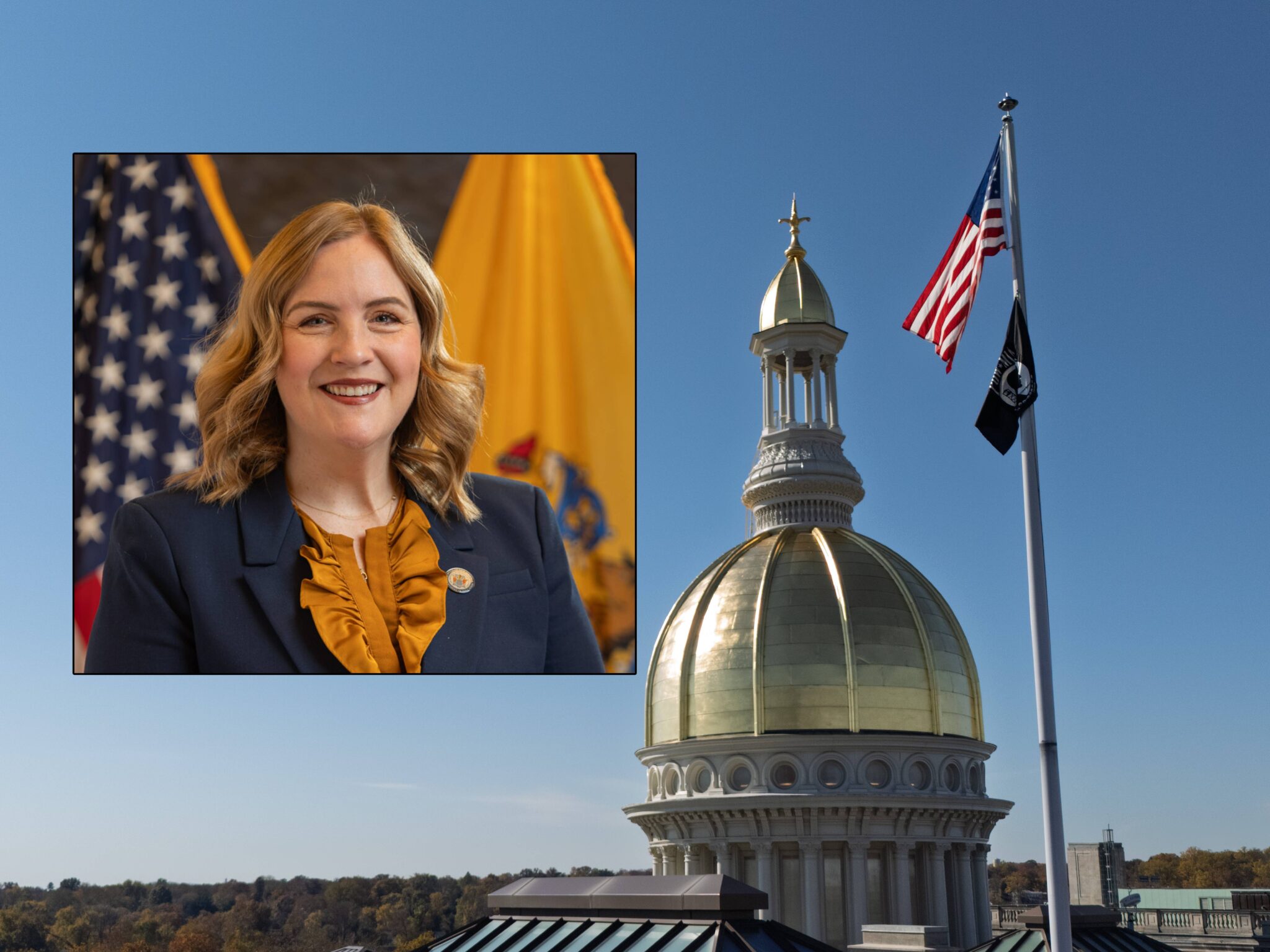
An Open Letter to Lily Laux, Our New Education Commissioner
April 15, 2026
They Don’t Have to Answer to You—And That’s the Problem
April 22, 2026Fixing NJ’s Broken School Funding Formula: A Call for Real Action
“Our school funding formula is broken!,” shout legislators, school leaders, special interest groups, taxpayers. Every day there’s another headline about a district forced to close schools, raise taxes, lay off teachers, start charging parents for afterschool sports and clubs, despite Gov. Mikie Sherrill’s record-breaking state school aid budget proposal of $12.4 billion, almost 50% higher than a decade ago. Assemblyman Gregory McGuckin (R-Toms River) told the NJ Globe, “no school should ever have to face cuts, especially when the governor brags about increasing money for education.”
But what if we’re not thinking about this clearly? What if the idea that more money alone will fix New Jersey’s struggling school system is a fiction we’ve decided to live with?* When we talk about adjusting the school funding formula, should our sole focus be increasing allocations when student enrollment is projected to fall by 8%, reducing the need for teachers, administrators, support staff, and facilities? (Edunomics’s Marguerite Roza calls this the The Big Shrink and says all districts need to adjust budgets to accommodate lower revenues.)
I’m not saying we shouldn’t spend more money. But we have an opportunity to step back and be strategic about how we adjust the school funding formula, especially since major changes will have to go through the State Legislature and be approved by the justice system.
There will never be more money in the system than there is now, with NJ spending an average of $26,990 per student while also maintaining the highest property taxes per capita in the country. (To paraphrase Margaret Thatcher, we kept doing what we were doing until we ran out of other people’s money.) It’s fair to say we got a little wacky when the the feds sent out $190 billion in emergency covid aid — no strings attached! –and, ignoring warnings from numerate scholars, used the short-term infusions for long-term costs like payroll, baking unsustainable expenses into budgets. We fixated on inputs (cash, extra staff, facilities upgrades) and ignored data showing student growth slip-sliding away. We have a state school system that almost always trusts and rarely verifies.
So what do we do? In the long strange trip of NJ school funding — from expecting inner cities with no ratables to pay for public schools through property taxes just like tony enclaves, to a series of court cases ruling that the state needs to ensure poor districts get at least as many resources as rich ones, to Newark’s superintendent spending $500 million on a school for 600 students while flying his staff out to Hawaii— we need a big rethink. Gov. Mikey Sherrill’s new Education Commissioner Lily Laux got it right when she said at a hearing last week that we need to go beyond tweaking the formula and “actually look at substantively how we can ensure the formula works better and how we drive down costs.”
And then there is the kraken in the room: student learning. How did it become customary to talk about funding schools without looking at the impact of those investments on outcomes? Isn’t the whole point of generously funding schools to foster learning? We’ve lost the plot: Right now 60% of our sixth graders can’t do math at grade level and more money won’t fix that. As Gov. Sherrill says, “we’re not getting enough bang for our buck.”
Let’s stipulate the broken state of our almost 20-year-old School Funding Reform Act. We’re spending tons of money within an accountability-free bureaucracy focused on compliance, not student achievement, and some districts are just left out in the cold. Maybe this is a good time to harken back to the wise words of Chief Justice Robert Wilentz, writing for a unanimous court in the second round of Abbott v. Burke, the famous school funding cases litigated by Education Law Center that found, bottom line, funding school districts through property taxes is inherently unconstitutional for low-income children who live in towns with inadequate ratables: “We note the convincing proofs in this record that funding alone will not achieve the constitutional mandate of an equal education in these poorer urban districts; that without educational reform, the money may accomplish nothing.”
With 4.6% of Camden City sixth graders meeting expectations in math despite per student funding of almost $30K a year, can we concede the money has accomplished nothing?
As Gov. Sherrill said in an interview, “We can’t keep spending all this money on schools and not getting better results.“
Or as board member James Lex from Haddon said, “We just keep going down the path of pushing out taxes. It’s a hamster wheel. At some point in time it has to end, right? These are real numbers to real people. I think at some point you have to say ‘what can we do to reduce our costs?’”
We’re spending too much and getting too little in return. New Jersey has one of the most richly funded school systems in the country but the academic growth of our neediest students is far behind their cohorts in states like Mississippi, Louisiana, and Arkansas. (See this excellent description of a high-poverty district in Connecticut that has transformed student growth — outperforming far wealthier districts— by doubling down on accountability, hands-on administrators, and instructional coaches.)
Yes, we have to revise our school funding system. More importantly, we require leaders to inculcate a cultural shift in the way we think about the state’s role in overseeing school districts and how it tracks implementation of policy. Otherwise, the odds are high we won’t come up with a cogent plan that sustainably supports our education system and prioritizes children’s needs.
Yet how do we accomplish this? Even if those in charge could corral teacher union leaders and local control addicts (the fiercest obstacles to change) into accepting the sort of fiscal and academic reforms needed to best serve NJ children, what would those changes look like?
That’s what we’ll look at next.
*One example of this fiction that more money cures all ills: This past October Mark Weber an education policy analyst, building off work from his mentor Bruce Baker, said NJ needs to increase school funding by $3.5 billion each year for low-income families, an increase of $5,290 per student in 22 districts and an almost 30% increase in statewide school funding. In the list of things he says this extra money would provide (smaller class size, more tech) there is nary a mention of, say, raising math and reading proficiency rates, which are awful. This is the sort of kneejerk reaction to poor student achievement NJ policy makers should avoid. Also, most people of Latino descent dislike the term “Latinx.”



1 Comment
GET OUT ON MAY 2ND AT VETERANS PARK IN BAYVILLE NJ FOR THE FIX THE SCHOOL FUNDING RALLY!!