

An Open Letter to NJEA: Hundreds of Millions for New Jersey Teachers
November 12, 2026New Partnership Wants to Send Extra Money To NJ Public Schools. Can Gov. Sherrill Get to ‘Yes’?
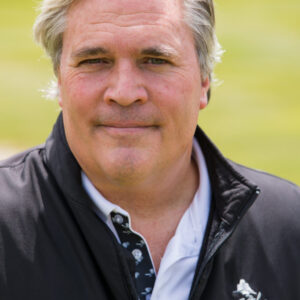
Last week at a press briefing, the New Jersey Policy Institute and ACE Scholarships announced the launch of he NJ Teachers Public School Tutoring Fund, a scholarship granting organization (SGO) that intends to offer NJ public school students scholarships for high-impact tutoring taught by NJ teachers who would be paid for their time. The scholarships would be funded by the federal Education Freedom Tax Credit, a new program that lets taxpayers choose to redirect up to $1,700 of their federal taxes ($3,400 for married couples) from the IRS to approved SGOs in their state. (See NJPI’s Andrew Mulvihill’s open letter to NJEA members here.)
One catch: Gov. Mikie Sherrill has to opt into the tax credit program by December 31st. If she doesn’t, NJ taxpayers can still take advantage of the tax credit program but their redirected tax money would go to states that have opted in.
At the briefing, New Jersey Policy Institute’s Wells Winegar explained, “We think New Jersey money — and it could be hundreds of millions of dollars— should go to New Jersey kids.” Added NJPI Board Chair Mulvihill, “I think Governor Sherrill is going to get this right.”
Mulvihill and Winegar were joined at the the briefing by Jason DiFraia, president of ACE, which will award the scholarships, and NJ public school teacher Rhiannan Mindas,
How much additional money for schools are we talking about?
If every eligible New Jersey taxpayer opted to send their tax money to a NJ SGO rather than the IRS, more than $5 billion a year could flow to New Jersey students without, according to Mulvihill, “taking a nickel from any district budget, the pension system, or any state program.” Even if every private school student in the state applied for a scholarship there would be an annual $3 to $3.5 billion for public school students every year. Marguerite Roza of Georgetown University’s Edunomics Lab estimates public school districts could get an extra “$1,000 per pupil or more.”
Two steps stand in the way of providing more tutoring to students and more money for teachers:
- Gov. Mikie Sherrill has to opt into the tax credit program by the end of the year.
- Gov. Sherrill has to submit an official State SGO list, i.e., approved non-profit organizations that will distribute the money.
Currently 31 governors have opted in, including Democratic governors like NY’s Kathy Hochul who said in a statement, “I’m not going to leave money on the table when it could help our kids.” She made her decision after determining “millions of additional dollars” could come to NY public school students and families “without taking a single dollar from public schools or our state or local budgets.” (There were 32 governors until Friday when Virginia governor Abigail Spanberger decided to reverse course.)
Of course, the federal tax credit program is politically fraught. First, it’s a product of the Trump Administration. Second, depending on the SGO, money can go to fund private school tuition or other private school services.
Yet, while teacher union leaders are uniformly against the program (here’s NJEA president Steve Beatty: “We must ensure that New Jersey does not opt into this latest attempt to undermine our great public schools”), many educational experts see advantages for governors, regardless of their political party, to opt in. So do teachers (70%, according to a recent EdChoice survey)) and 75% of parents.
Why the strong support? There is no downside, only upside, for public school students and public school districts. Not a cent is taken from public school budgets.
“Public school students stand to benefit in those states, through tutoring and afterschool and summer school programs,” explains education analyst Chad Aldeman. “I expect more civic organizations will step up over time and secure even more donations for public school students…governors shouldn’t turn down what is essentially free money. Even if 100% of the money went to private school students—and it absolutely will not, especially if Democrats get their act together—governors should still opt in and be willing to say, “we won’t say no if the federal government wants to invest more money in our state’s young people.”
“Taxpayers can essentially choose to redirect a dollar of their money away from federal taxes to scholarships for kids at no cost to themselves,” says Sara Mead, an expert in early childhood development. “This may be particularly appealing to taxpayers who disagree with some of the current administration’s spending priorities.”
Charlie Barone of the National Parents Union (and NJ public school parent) says succinctly, “Opting out doesn’t stop the money from leaving the state. It only guarantees your families get none of it.”
Meanwhile, NJ families wait for Gov. Sherrill to make her choice.